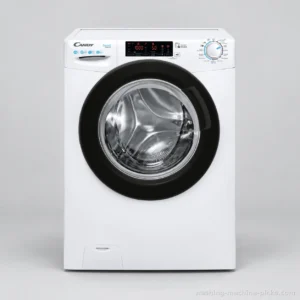
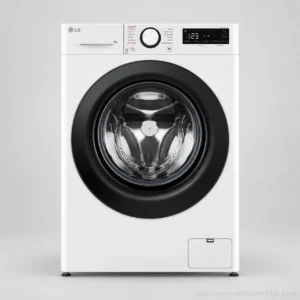
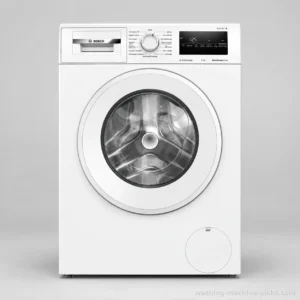
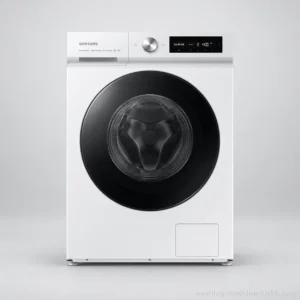
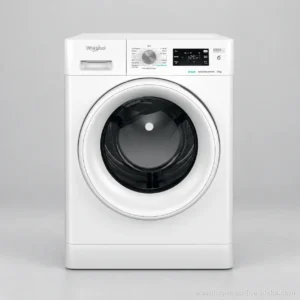

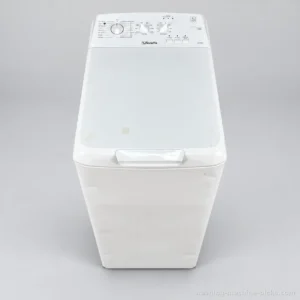
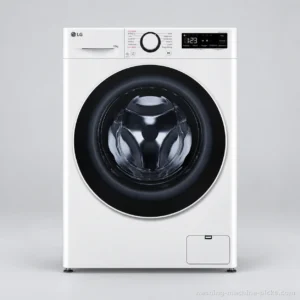
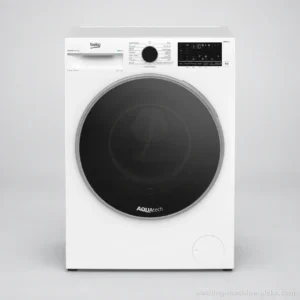
Beko B3WFT51243W
Key strength: washing capacity, rated 9.3/10.
Read the review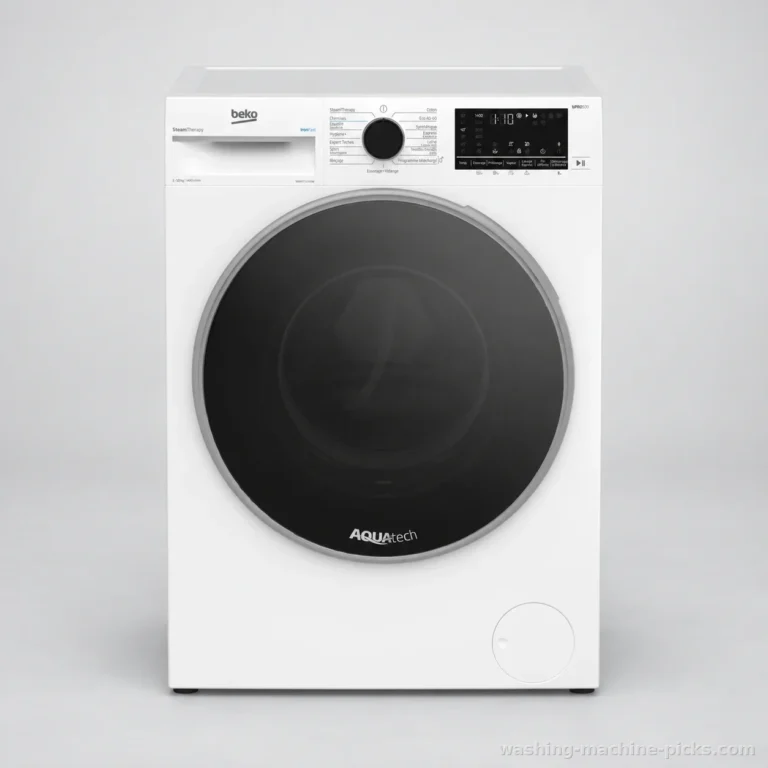 Our rankingsThe best washing machines24 washing machines
By installation
By color
By features
Features and options
By brand
Our guides to choosing
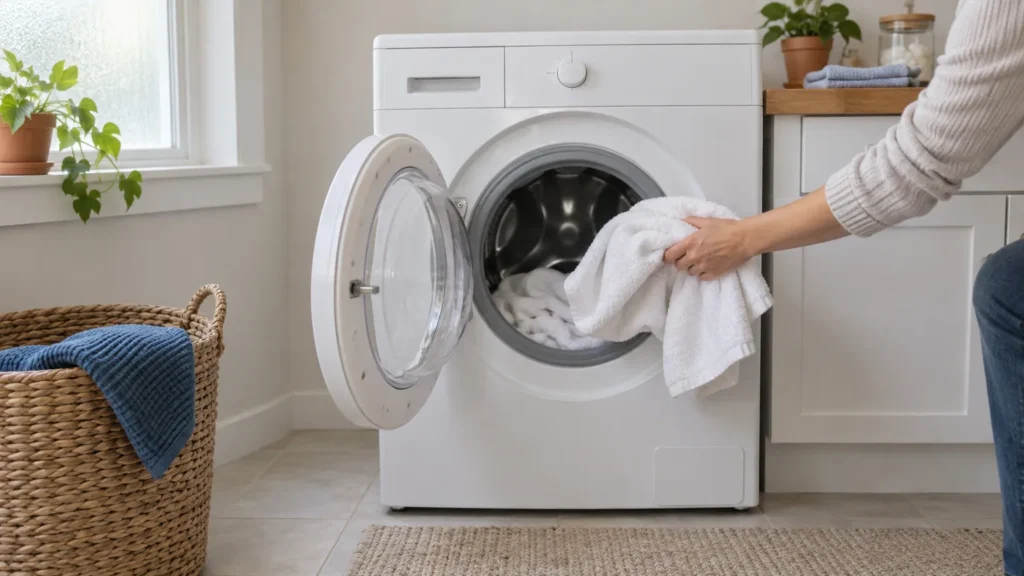
The white washing machine stands out primarily for its availability: this colour offers the widest choice of capacities, technologies and market segments, unlike less common colours such as black.
Prices collected from retailers are for guidance only: they may have changed since, the current price is the one shown by the retailer. No price is shown for models sold only on Amazon. Amounts converted from reference prices in euros using a dated exchange rate.
Key strength: washing capacity, rated 9.3/10.
Read the review
Key strength: washing capacity, rated 9.3/10.
Read the review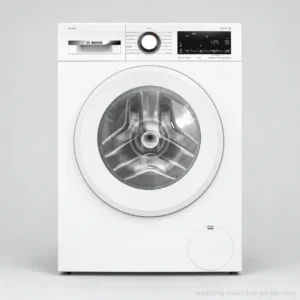
Key strength: spin speed, rated 8.8/10.
Read the review| Rankings | Rating | Price | Washing capacity | Drying capacity | Dimensions: width | Dimensions: depth | Dimensions: height | Spin speed | Noise level when spinning | Drum volume | Repairability index | Durability index |
|---|---|---|---|---|---|---|---|---|---|---|---|---|
| 1. Beko B3WFT51243W | 9/10 | $540 | 12 kg | n/a | 60 centimeters | n/a | 84.5 centimeters | 1400 rpm | n/a | 75 liters | 8.9 out of 10 | 8.8 out of 10 |
| 2. Vedette LFVQ124W | 8.6/10 | n/a | 12 kg | n/a | 59.5 centimeters | n/a | 85 centimeters | 1400 rpm | 78 decibels | 76 liters | n/a | n/a |
| 3. Bosch WGG244F1FR | 8.5/10 | $688 | 9 kg | n/a | 59.8 centimeters | 63.2 centimeters | 84.5 centimeters | 1400 rpm | 71 decibels | 65 liters | 9.2 out of 10 | n/a |
| 4. Candy CSS1414TWMBE | 8.4/10 | $580 | 14 kg | n/a | 60 centimeters | n/a | 85 centimeters | 1400 rpm | 80 decibels | 83 liters | 7.8 out of 10 | 7 out of 10 |
| 5. LG F94R35WHS | 8.4/10 | $475 | 9 kg | n/a | 60 centimeters | n/a | 85 centimeters | 1360 rpm | 71 decibels | n/a | 8.6 out of 10 | 9.3 out of 10 |
Rankings are based on our review ratings, calculated by comparing manufacturer specifications across the full catalogue.Our methodology.
White washing machines offer a practical choice for several reasons. Before comparing specific models, it helps to understand what this category offers and who it suits.
White fits easily into a kitchen, bathroom or laundry room, whatever the room's style. This neutrality also affects the options available: it is the most widely available colour, offering a much broader range of capacities, technologies and market segments. It is also the colour for which spare parts and after-sales support are easiest to find, a consideration that matters over an appliance's lifespan. By contrast, a black washing machine appeals for its more contemporary appearance, but limits the available choice of certain capacities or programmes.
Capacity in kilograms directly determines the number of cycles needed per week, and therefore annual water and electricity consumption. A person living alone or a couple without children will generally choose a moderate capacity, sufficient for frequent but small loads. A family with children, or a household that washes bulky household linen (sheets, duvets, towels), needs a considerably larger capacity to avoid running more cycles or unbalancing the drum. Choosing a washing machine that is too small means washing more often, which can quickly cancel out the apparent savings of a smaller model with a lower purchase cost.
A washing machine runs several times a week for years, making its energy rating a financial consideration as well as an environmental one. A higher-rated model uses less water and electricity per cycle, with the difference growing as the household's frequency of use increases. Motor technology also plays a role here: a washing machine with an induction motor generally offers better energy efficiency and greater durability than a conventional brushed motor, though with a higher purchase cost. The calculation should therefore consider running costs in relation to the number of washes each year, as well as the purchase cost.
In a flat, a laundry area open to the living room or a home with neighbours close by, washing machine noise can become a source of everyday friction. 2 stages are particularly relevant: washing, which is generally quiet, and spinning, which often produces more noise and vibration depending on the selected speed and how securely the appliance sits on the floor. Poor sound insulation or uneven positioning can make evening or early morning cycles disruptive, so noise levels matter when scheduling washes.
These 4 criteria, colour and availability, capacity suited to the household, energy rating and noise level, form the basis of a sound purchasing decision. They apply equally to a premium model and a budget washing machine chosen for basic use: a simple appliance with the right capacity is a better choice than a sophisticated model unsuited to the household. The selection below lets you compare specific models against these criteria.
Capacity, dimensions, spin speed and programmes are the 4 criteria that determine whether a washing machine in white will suit your daily needs. Here is how to assess each of them before considering additional features.
Capacity, expressed in kilograms of dry laundry, should match the number of people in your household. A person living alone or a couple without children will generally find a modest capacity sufficient, while a family with children or a shared household needs several extra kilograms to avoid running more cycles.
An undersized washing machine means running more cycles, increasing water and electricity consumption over the year. Conversely, an oversized model used for small loads wastes resources with every partial load. The aim is to match capacity to how often your household actually does laundry, rather than choosing the largest option available.
Width and height are rarely the problem. It is the depth that most often causes difficulties, especially in a kitchen recess or a small bathroom. Measure the available space, allowing enough room to open the door fully, otherwise loading laundry becomes awkward day to day.
Check the connections too. The water inlet, drain and electrical socket must remain accessible once the appliance is in place. A freestanding white washing machine fits easily into most layouts, whereas a built-in model has stricter dimensional requirements that need checking before purchase.
Spin speed, measured in revolutions per minute, determines how much moisture remains in the laundry when it leaves the drum. A high spin speed shortens drying time, which matters particularly for households without a tumble dryer. However, it also causes more wear to delicate fibres, making an adjustable speed for each programme useful compared with a fixed default speed.
Delicate fabrics, wool and lightweight synthetic garments do not tolerate excessive spin speeds well. A washing machine that lets you adjust the speed for each programme offers more flexibility than a model with a single fixed setting, regardless of its motor technology.
The eco programme remains the most useful over time. It lengthens the cycle but reduces water and energy consumption, a worthwhile compromise for lightly soiled laundry. A quick cycle helps when laundry is needed urgently, without providing a thorough wash. Delay start lets you run the machine during off-peak hours, which is useful if your electricity tariff makes this worthwhile.
Beyond these 3 features, the rest is a matter of convenience rather than a deciding factor. A washing machine with an induction motor is generally promoted for its longevity and quieter operation, a point to consider if noise is a concern in your home.
| Criterion | What to look for | Common mistake |
|---|---|---|
| Wash capacity | A capacity matched to household size and washing frequency | Choosing the largest available capacity without needing it |
| Dimensions | An accurately measured depth, including room to open the door | Relying solely on the width listed in the product specifications |
| Spin speed | An adjustable speed suited to the fabric being washed | Overlooking this criterion and focusing only on price |
| Programmes | An effective eco programme, a quick cycle, a delay start function | Being tempted by numerous programmes that are rarely used |
| Noise level | A machine suitable for evening or early morning use | Discovering how noisy the appliance is only after installation |
Choosing a suitable white washing machine involves 4 simple checks: sufficient capacity for the household, dimensions that fit the available space, an adjustable spin speed for different fabrics, and programmes that are useful every day. These criteria matter more than appearance, whether you choose a classic white model or a black washing machine that blends in better with some interiors. Consider your budget by product range: entry-level models cover basic needs, mid-range models balance capacity, quiet operation and features, while high-end models cater to households with demanding durability and performance requirements.
A household of 4 generally needs a capacity between 8 and 9 kg, sometimes more if loads regularly include bulky household linen (sheets, duvets). A smaller capacity may mean running more cycles, quickly cancelling out the expected water and electricity savings of a more compact model.
A front-loading washing machine loads from the front, fits easily under a worktop and generally offers greater capacity and more programmes. A top-loading washing machine loads from above and is better suited to narrow spaces where opening a front door would be impossible, although the choice of models is more limited.
Lifespan depends mainly on build quality, frequency of use and maintenance (descaling, cleaning the door seal and detergent drawer). Regular use with an appropriate programme and consistent maintenance help prevent premature wear of the motor and drum, regardless of the model's market positioning.
The eco programme remains the standard choice for limiting water and electricity consumption, although it extends the cycle by lowering the wash temperature. It suits lightly soiled everyday laundry, while a quick or intensive cycle remains preferable for urgent loads or heavily stained laundry.
Manufacturers express noise levels in decibels, often distinguishing between washing and spinning, which is generally louder. A difference of a few decibels can noticeably affect perceived noise in shared residential buildings or near a living area, especially when running the machine in the evening or early morning.
A high spin speed helps laundry dry faster by reducing residual moisture, which is useful if you do not have a tumble dryer. However, it is not suitable for every fabric: delicate materials benefit from a lower spin speed, making it useful to have a washing machine with adjustable spin speed to suit the selected programme.
The better the energy rating, the lower the annual electricity and water consumption, with the difference most noticeable when the machine is used frequently over several years. These models often occupy a higher market segment, making them particularly relevant to households that do laundry daily.
Yes, provided you choose a model designed for built-in installation or compatible with a decorative door panel, and carefully check the dimensions of the available recess, including its depth. Water supply and drainage connections should also be planned before buying, along with the space needed to open the washing machine door once the cabinetry is installed.