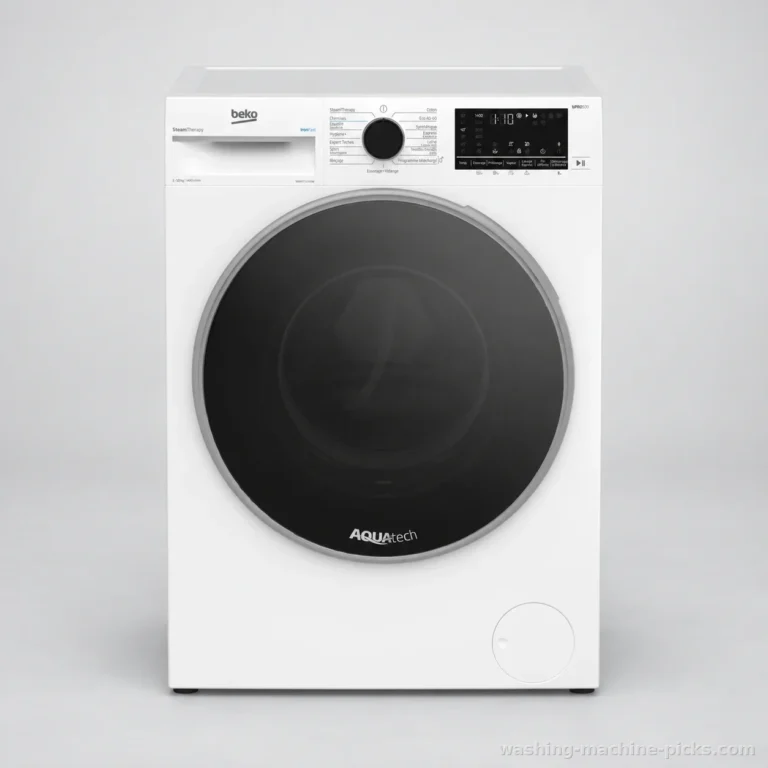
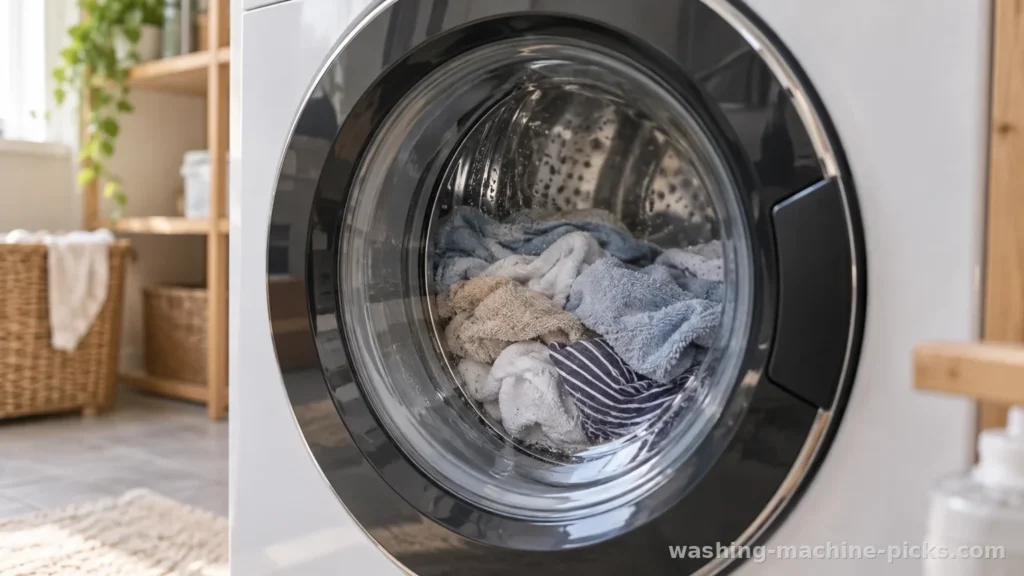
To find out whether your washing machine heats the water, check that a programme that uses heating is selected, then look for signs of heating during the main wash. A warm door glass is a clue, but cold door glass does not prove there is a fault. Cold laundry after the spin cycle is usually normal, as rinses generally use cold water.
Contents
- How does your washing machine heat the water?
- The heating element does not heat throughout the cycle
- How to check for heating without taking the machine apart
- Follow these steps in order
- The door glass provides only a limited indication
- What signs could indicate a heating fault?
- Poorly washed laundry does not necessarily point to the heating element
- A very long cycle may have another explanation
- Which programmes can make the wash seem cold?
- The eco 40-60 programme does not guarantee water at 60 °C
- A very hot wash is not necessary to check for heating
- Which components can prevent the water from heating?
- A multimeter reading is not always enough
- Descaling does not replace a diagnosis
- When should you contact a repair technician?
- Frequently asked questions about washing machine heating
- Can a machine connected only to cold water run a hot wash?
- Why is my laundry cold after a hot wash?
- How long should it take for the door glass to warm up?
- Can you measure the water temperature with a thermometer during a wash?
- Can a washing machine finish its cycle without heating?
- Can you keep using a machine that no longer heats the water?
You can carry out several checks without taking the machine apart. These help distinguish an unsuitable setting from a possible fault. However, determining the actual water temperature or identifying a faulty component may require a professional diagnosis.
How does your washing machine heat the water?
Most domestic washing machines take in cold water only. An electric heating element, also known as an immersion heater, heats the water in the tub when the programme requires it. A single connection to the cold water tap is therefore standard, even on a machine capable of washing at high temperatures.
A temperature sensor sends information to the electronic controller, which controls the heating. Some older appliances use a thermostat to regulate the temperature. The water level must also be suitable for the heating element to operate. A filling problem can therefore prevent heating even if the heating element is working properly.
The heating element does not heat throughout the cycle
Filling, the main wash, draining, rinsing and spinning are separate phases. Heating takes place according to the programme sequence. Observing the door immediately after starting or during rinsing therefore does not tell you whether the heating is working.
The selected temperature is generally not a real-time measurement. It indicates a programme setting, not the current temperature inside the drum. The display therefore does not confirm that the water is heating correctly.
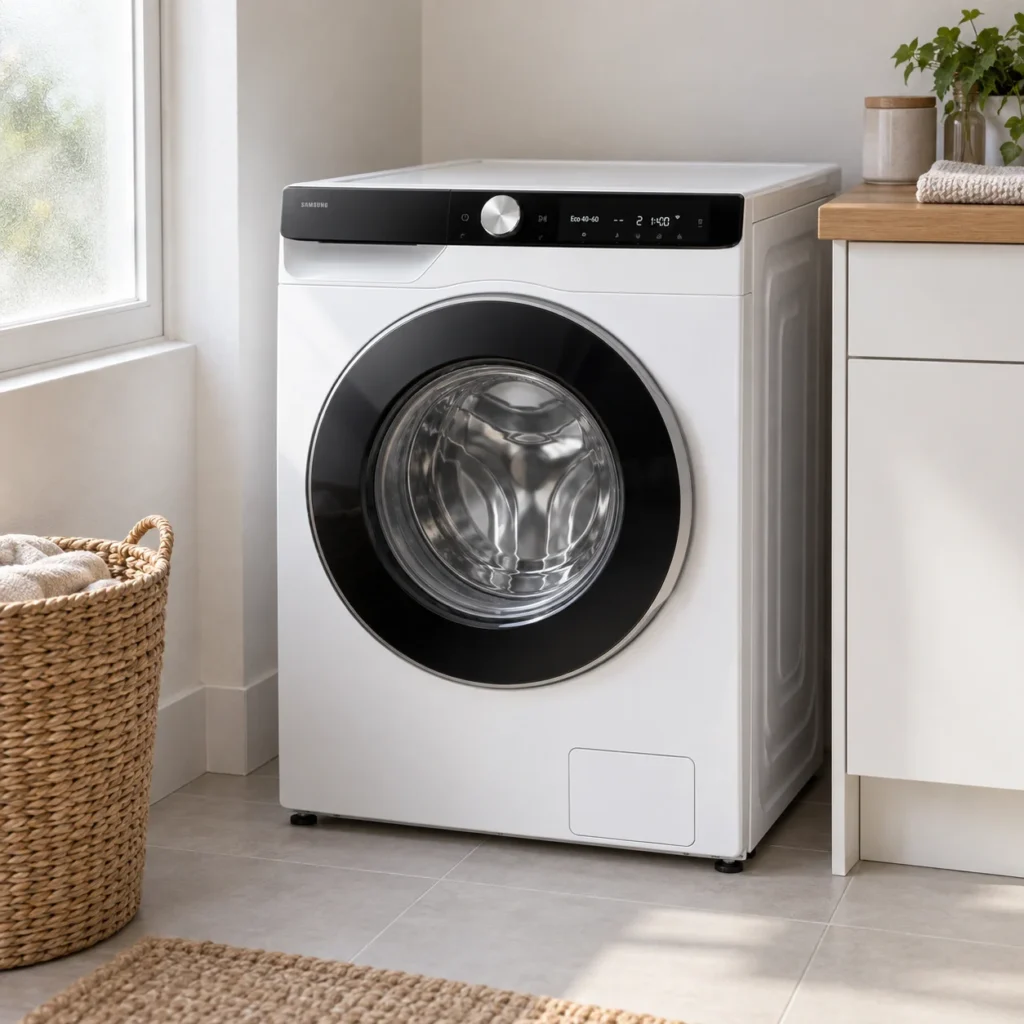
How to check the heating without taking the machine apart
Your model’s instruction manual is the best starting point. Check the programme table to identify a cycle that heats the water and review the available options. There is no need to run the hottest programme.
Follow these steps in order
- Choose a suitable programme. A standard cotton cycle with an adjustable temperature generally makes observation easier. Follow the fabric care labels and the recommended load size.
- Check the displayed setting after selecting the programme. A cold wash option or a saved setting may change the expected temperature.
- Check that the machine fills with water and starts washing normally. Note any error messages, unusual filling behaviour or stops.
- Observe the machine during the main wash. Use the progress indicators available on the appliance rather than an arbitrary waiting time.
- Note the symptoms and consult the manual if a code appears. Only compare similar cycles and loads.
There is no universal time after which the door glass should feel warm. The incoming water temperature, the amount of laundry and the way the programme is controlled affect how quickly the water heats up. Repeating cycles solely to check the glass provides little additional information.
The door glass provides only a limited indication
On a front-loading machine, noticeable warmth from the glass during washing may indicate that the water is heating. However, the outer surface does not accurately reflect the temperature of the wash water. Door insulation and low water levels may make this warmth barely noticeable.
The door glass can also become very hot. Avoid prolonged contact and never force the door open. Do not try to collect water through the drain filter while the machine is running. On a top-loading model, the lid temperature is even less informative.
What signs suggest a heating fault?
A recurring problem on a programme that should heat the water deserves more attention than an isolated impression of coldness. Consider the observations together before drawing a conclusion.
| Observation | Useful interpretation |
|---|---|
| The laundry comes out cold after spinning | This is generally consistent with cold-water rinses. |
| The door glass stays cold | This sign alone cannot confirm a fault. |
| The manual identifies a code as heating-related | The heating circuit warrants diagnosis. |
| The cycle regularly stops during washing | A fault is possible, but its cause still needs to be identified. |
| Wash results are getting worse | Also check the load, detergent, programme and maintenance. |
Poorly washed laundry does not necessarily point to the heating element
Persistent greasy marks, odours or detergent that has not rinsed out properly may raise concerns. These symptoms are not very specific. Overloading restricts agitation, too much detergent encourages residue, and inadequate maintenance can cause odours.
Before blaming the heating system, check these points with comparable loads. An improvement after adjusting the detergent dose or load points to an issue with how the machine is being used, but does not measure the temperature.
An unusually long cycle may have another explanation
Some machines extend the wash or stop when an expected temperature is not reached. But an unusually long cycle can also result from slow water intake, excess foam, drainage difficulties or an unbalanced load.
Pay particular attention to the stage affected. A stoppage before the spin cycle does not automatically point to the heating system. Likewise, a drum that does not turn requires a broader diagnosis than checking the heating element alone.
Which programmes can make a wash seem cold?
A cold wash programme is unsuitable for checking whether the water heats up. Delicate, wool or quick cycles may also restrict the available temperatures. How they operate varies depending on the machine and the options selected.
The eco 40-60 programme does not guarantee water at 60 °C
The eco 40-60 programme is designed to wash normally soiled cotton items labelled as washable at 40 °C or 60 °C together. Its name does not mean that the water always reaches these temperatures. It combines an appropriate cycle duration with temperature management to reduce energy consumption.
A door that feels only slightly warm on this programme is therefore not proof of a fault. To understand the expected behaviour, consult the manual and the manufacturer’s information for your exact model.
A very hot wash is unnecessary for this check
Increasing the temperature significantly does not turn the door into a thermometer. It can also damage fabrics whose care labels do not allow that setting. For an empty maintenance cycle, use only the programme and products recommended by the manufacturer.
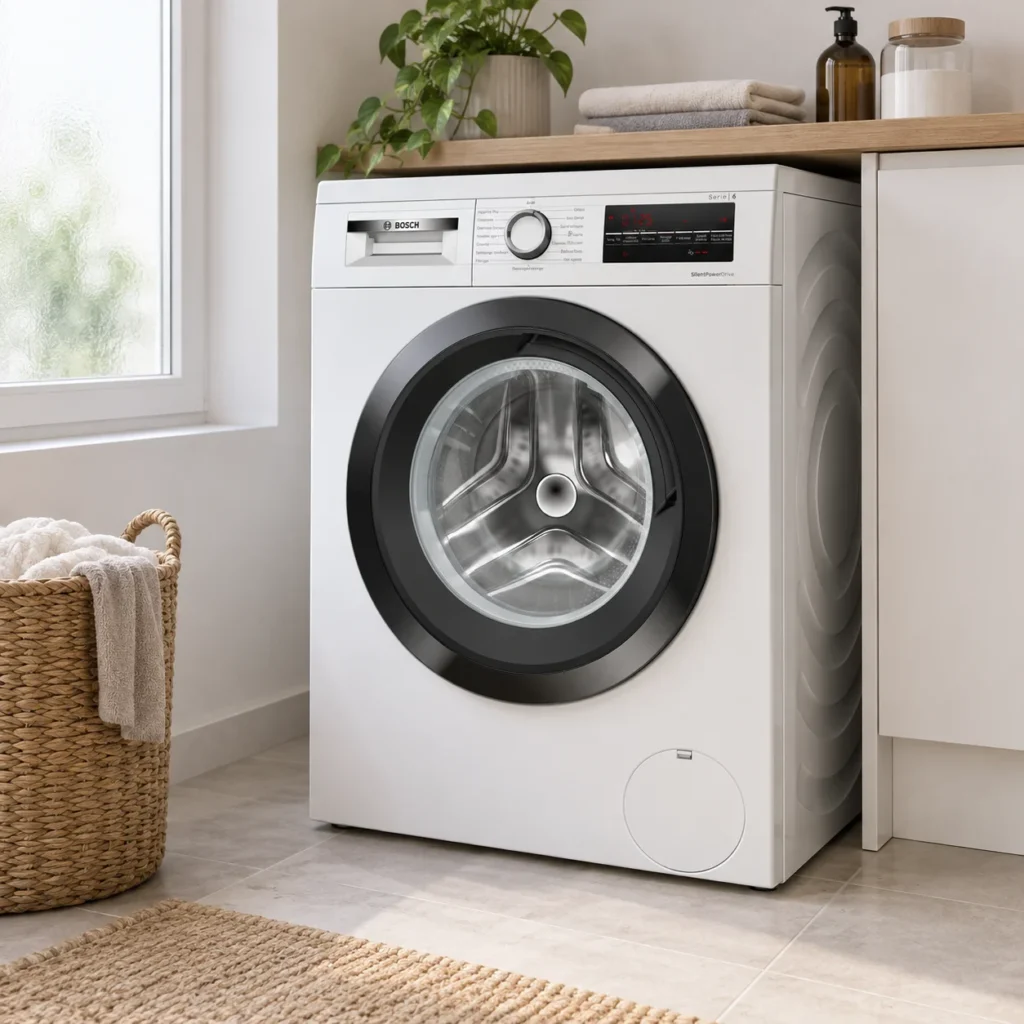
Which components can prevent the water from heating up?
A lack of heat does not automatically mean that the heating element needs replacing. Several components are involved in heating the water and controlling the heating system.
- The heating element may have an open circuit or an electrical insulation fault.
- The temperature sensor may transmit incorrect information.
- A connector or cable may interrupt the power supply to the heating element.
- The electronic control board, a relay or the programme controller may no longer control the heating correctly.
- A water level or filling fault may prevent heating from being enabled.
An incorrectly installed drain hose can also cause siphoning, with water draining out as the machine fills. If the machine seems to take in and lose water continuously, check the installation requirements in the manual. This behaviour can disrupt the cycle without indicating a heating element fault.
A multimeter reading is not always enough
The expected electrical reading for a heating element depends on its specifications. A reading taken from another model is therefore not a universal reference. Even an apparently plausible reading does not confirm the integrity of the insulation, the power supply to the component or the operation of its controls.
Internal checks must be carried out by a competent person, with the appliance placed in safety. Do not take measurements across live terminals or connect a removed heating element directly to a power socket.
Descaling is no substitute for diagnosis
Limescale can build up on the heating element, but it does not always explain a lack of heating. A cleaning product cannot repair a broken heating element or a faulty sensor. Follow the manufacturer’s recommendations and avoid mixing products.
When should you contact a repair technician?
Contact after-sales support if a heating-related error code keeps appearing, the cycle stops regularly or several problems persist despite checking the settings. Have the following information ready to help with diagnosis:
- The appliance’s brand and full model number.
- The selected programme and temperature.
- The exact error code, if any.
- The stage at which operation becomes unusual.
- Any recent changes to the installation or the appliance’s behaviour.
If the machine trips the circuit breaker, leaks or gives off a burning smell, stop using it. Unplug it only if you can do so safely. If it is still under warranty, contact the seller or the service provider listed in your documents before any repair work.
A heating fault alone does not justify replacing the washing machine. Request a diagnosis and a repair quote, then consider the appliance’s overall condition and the availability of spare parts.
Frequently asked questions about washing machine heating
Can a machine connected only to cold water run a hot wash?
Yes. Most domestic models heat their own water using a heating element. They do not need hot water from your home. Do not change the water connection without checking the manufacturer’s requirements.
Why is my laundry cold after a hot wash?
Rinses usually use cold water. The laundry therefore cools down before the spin cycle, even if the main wash ran correctly. Its temperature at the end of the cycle cannot tell you whether the water was heated.
How long should it take for the door glass to warm up?
There is no set time that applies to every appliance. The programme, load, incoming water and door construction all affect how much warmth is noticeable. Check the cycle sequence in the manual instead of relying on a fixed time.
Can you measure the water temperature with a thermometer during a wash?
Do not open the machine or insert a thermometer while it is running. The temperature on the outside of the door glass does not necessarily match the water temperature. A reliable measurement requires a method suited to the model.
Can a washing machine finish its cycle without heating the water?
This depends on the appliance and the fault. Some models stop the cycle or display an error, while others may continue. A completed cycle alone therefore does not guarantee that the heating worked.
Can you keep using a machine that no longer heats the water?
A suspected fault should be diagnosed before you continue using the machine. A lack of heating may compromise the programme’s intended results, and the cause remains unknown. If there is a leak, the circuit breaker trips or you notice a burning smell, stop using the appliance immediately.
Was this article helpful?
0% of readers found it useful (0 reviews)